SNS推奨画像サイズ 2026年版:完全リファレンス
各プラットフォームは独自のアスペクト比でトリミングするため、あるフィード向けに作った画像は別のフィードでは崩れて見えます——上下に余白が出たり、拡大されたり、再圧縮で甘くなったり。本記事は本当に重要なピクセルサイズとアスペクト比の2026年版リファレンスです。フィード投稿、ストーリーや縦型動画、サムネイル、カバー、プロフィール画像を、多くの人が使う主要プラットフォームについてまとめました。中心は一覧表で、その前後の解説は数値の読み方と使い方を説明します。
サイズが合っていないと何が起きるか
画像が仕様に合っていないと、2つの問題が起きます。1つはアスペクト比。フィードは決まった形にトリミングするため、比率がずれると端が切られ、顔や文字、ロゴが画面外に出てしまうことがよくあります。もう1つはピクセル数。目標より大きすぎたり小さすぎたりするものをアップすると、プラットフォーム側で再拡大・再圧縮され、細部が甘くなりノイズが出ることもあります。仕様に合わせれば、構図とシャープさの両方を自分でコントロールできます。
2026年版 プラットフォーム別 推奨サイズ
主要なコンテンツ種別の推奨アップロードサイズです。アスペクト比はフィードがトリミングする形、ピクセルサイズはその比率で現在の高精細画面でも鮮明に見える適切な寸法です。各社は定期的に仕様を改訂するため、不変のルールではなく「現時点のベストプラクティス」として扱ってください。
| プラットフォーム | コンテンツ種別 | ピクセル(横×縦) | 比率 |
|---|---|---|---|
| 正方形投稿 | 1080×1080 | 1:1 | |
| 縦長投稿 | 1080×1350 | 4:5 | |
| ストーリー / リール | 1080×1920 | 9:16 | |
| X (Twitter) | 本文内画像 | 1600×900 | 16:9 |
| X (Twitter) | プロフィールヘッダー | 1500×500 | 3:1 |
| YouTube | サムネイル | 1280×720 | 16:9 |
| YouTube | チャンネルバナー | 2560×1440 | 16:9 |
| TikTok | 動画 | 1080×1920 | 9:16 |
| 本文内画像 | 1200×630 | 1.91:1 | |
| カバー写真 | 851×315 | ~2.7:1 | |
| 本文内画像 | 1200×627 | 1.91:1 | |
| カバー写真 | 1584×396 | 4:1 | |
| 標準ピン | 1000×1500 | 2:3 | |
| ほぼ全プラットフォーム | プロフィール画像 | 400×400+ | 1:1 |
縦・正方形・横、そしてセーフエリア
縦型(9:16)はスマホ画面いっぱいに広がり、ストーリーやショート動画の主役です。縦長4:5はフィード写真がトリミングされずに取れる最も縦長な比率で、スクロール中のフィードで最大の面積を占めます。正方形1:1はフィードがどうトリミングするか分からないときに最も安全です。横型16:9はサムネイルやワイド画面で見るものに向きます。1枚をどこでも使いたいなら、正方形の中に収まるよう設計し、重要な要素を中央に置きましょう。
カバーやバナーにはもう1つの落とし穴、セーフエリアがあります。YouTubeのチャンネルバナーは2560×1440でアップしますが、すべての端末で確実に表示されるのは中央の帯だけで、左右や上部はテレビ・デスクトップ用に確保されています。スマホで重要な部分が切れないよう、カバーやバナーのロゴ・文字は端から離して配置してください。
解像度とファイル容量
推奨ピクセルサイズ、またはそのきれいな2倍に合わせます。はるかに大きいものをアップしても結局プラットフォーム側で縮小・再圧縮され、帯域を無駄にし、ときに甘くなります。小さすぎれば高精細ディスプレイでぼやけます。ここではDPIは無関係です——画面はファイルに埋め込まれた印刷解像度ではなく、ピクセル寸法だけを見ます。写真はJPEG、鮮明な文字や透過が必要なときだけPNGで書き出し、素早くアップできるようファイルは適度に軽く保ちましょう。
数値をぴったり合わせる
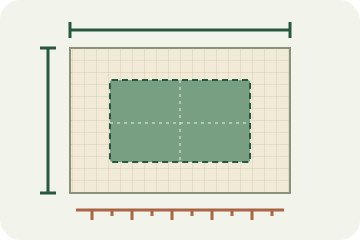
仕様に合わせる手順は2つ。まず目標のアスペクト比にトリミングしてプラットフォームに構図を切らせないようにし、次に正確なピクセル寸法へリサイズします。アップロード任せにせず両方を自分で行えば、何を画面内に残すか、最終画像をどれだけ鮮明にするかを自分で決められます。同じサイズの投稿をまとめて作るなら、比率を一度設定してすべての画像に適用すれば、セットの統一感が保てます。
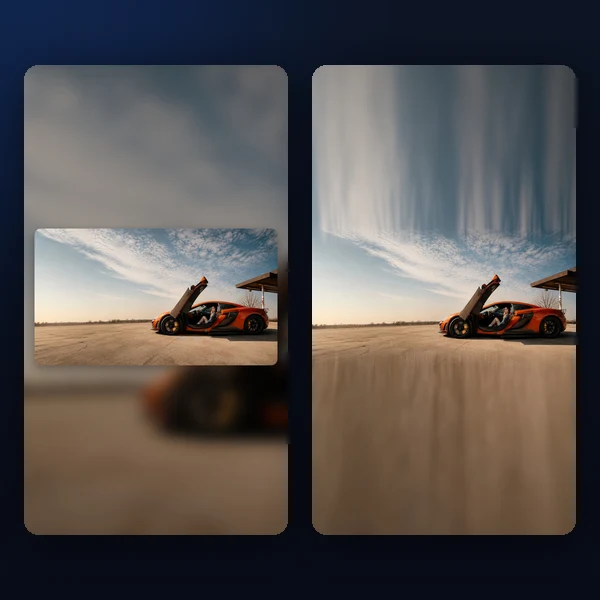
最も難しいのが9:16です。写真の多くは横長なので、単純に切り抜くと絵の大部分を捨てることになります。ストーリーズやリール用なら、写真そのものから生成したぼかし・グラデーション・引き伸ばし背景で縦の余白を埋める専用ツールという選択肢があります。
よくある質問
フィード投稿で最も無難なアスペクト比は?
縦長4:5(1080×1350)は、主要フィードがトリミングせずに許す中で最も縦の面積を取れるため、1枚を複数プラットフォームで使いたいときの無難な既定値です。どうトリミングされるか分からなければ、正方形1:1が最も予測しやすい選択です。
推奨より大きい画像をアップすべき?
推奨ピクセルサイズか、そのきれいな倍数でアップすれば、プラットフォームによる再拡大・再圧縮(細部が甘くなる原因)を避けられます。大きすぎてもアップ帯域を無駄にしたうえで結局縮小され、小さすぎれば高精細画面でぼやけます。
投稿後に画像が切れてしまうのはなぜ?
フィードは決まったアスペクト比にトリミングします。画像の比率が合っていないと端が切られます。先に自分で目標比率へトリミングしておけば、プラットフォーム任せにせず、何を画面内に残すかを自分で決められます。
どんな仕様にもトリミング&リサイズ
目標の比率とピクセルサイズが分かれば、あとはトリミングとリサイズだけです。Tracelyx Cropは任意のアスペクト比を固定でき、Resizeは正確な寸法に合わせます。どちらもブラウザ内で動きアップロード不要なので、非公開やクライアントの画像も端末から外に出ません。
任意のアスペクト比にトリミング →